


The market shaped by how far your player’s team goes
The first time I won this market, the slip cashed not because my player had a particularly outstanding tournament but because his side went one further than the bookmakers expected. The award voters watched the same six matches everyone else did, and by the time the final whistle blew on the final, the narrative had settled on the player I had backed. The price was 12.00. The slip would have been impossible to win if his team had gone out in the quarter-finals.

That experience is the whole architecture of this market in one bet. Player of the tournament is a voted award, decided by a panel after the final. The panel is made up of journalists, former players, and tournament officials, and their decision is heavily influenced by two things: how good the player has been across the tournament, and how far their team has gone. The second factor is what most casual punters underestimate. A brilliant individual on an eliminated side rarely wins it. A merely very good player on a finalist often does.
This is not a market where stats analysis alone produces edge. The award has an inescapable subjective layer. But that subjectivity is not random. It follows patterns, and those patterns are bettable.
How the award market prices favourites
The prices on player of the tournament are built backwards from team strength first and individual reputation second. The favourites are almost always players from the tournament’s two or three most likely champions. New Zealand’s marquee player typically sits between 6.00 and 9.00 in early markets. South Africa’s headline performer often follows close behind at similar prices. France’s biggest name has shortened in the last two cycles to comparable levels.

The next band sits between 11.00 and 25.00. This is where the top players from second-tier contenders live — Ireland’s stand-out forward, England’s first-choice fly-half, an Argentine playmaker on a side good enough to reach the semi-finals. These prices reflect the bookmaker’s view that the player is excellent but their team may not go far enough for the panel to favour them.
Beyond 25.00 you find the long shots — players from sides expected to exit in the quarter-finals, players from emerging nations who would need an upset run to come into contention, and forwards from any side who are statistically less likely to win the award than backs. The 2025 women’s tournament drew 444,465 tickets sold across 32 matches and a 53% female crowd according to World Rugby’s impact data, and the market for top performers in those events has grown noticeably wider — there are now more genuine contenders in the long-shot bracket than there were two cycles ago.
One technical wrinkle: settlement happens after the final, but voting can be informally locked in earlier if the eventual winner emerges before the closing weekend. The 2023 final was settled before kick-off in terms of who the panel would pick, because the standout had been so dominant across the previous five matches. Watching the public discourse during the semi-finals is a useful in-tournament read for trading positions.
The deep-run bias in the price
Every Rugby World Cup since 1987 has produced a player of the tournament from one of the four semi-finalists. That single fact does more analytical work than any other input on this market. Voters do not seriously consider candidates whose teams have not reached the semi-final stage. A player can put together two outstanding pool performances and a brilliant quarter-final, then watch his team exit, and effectively be out of the running.
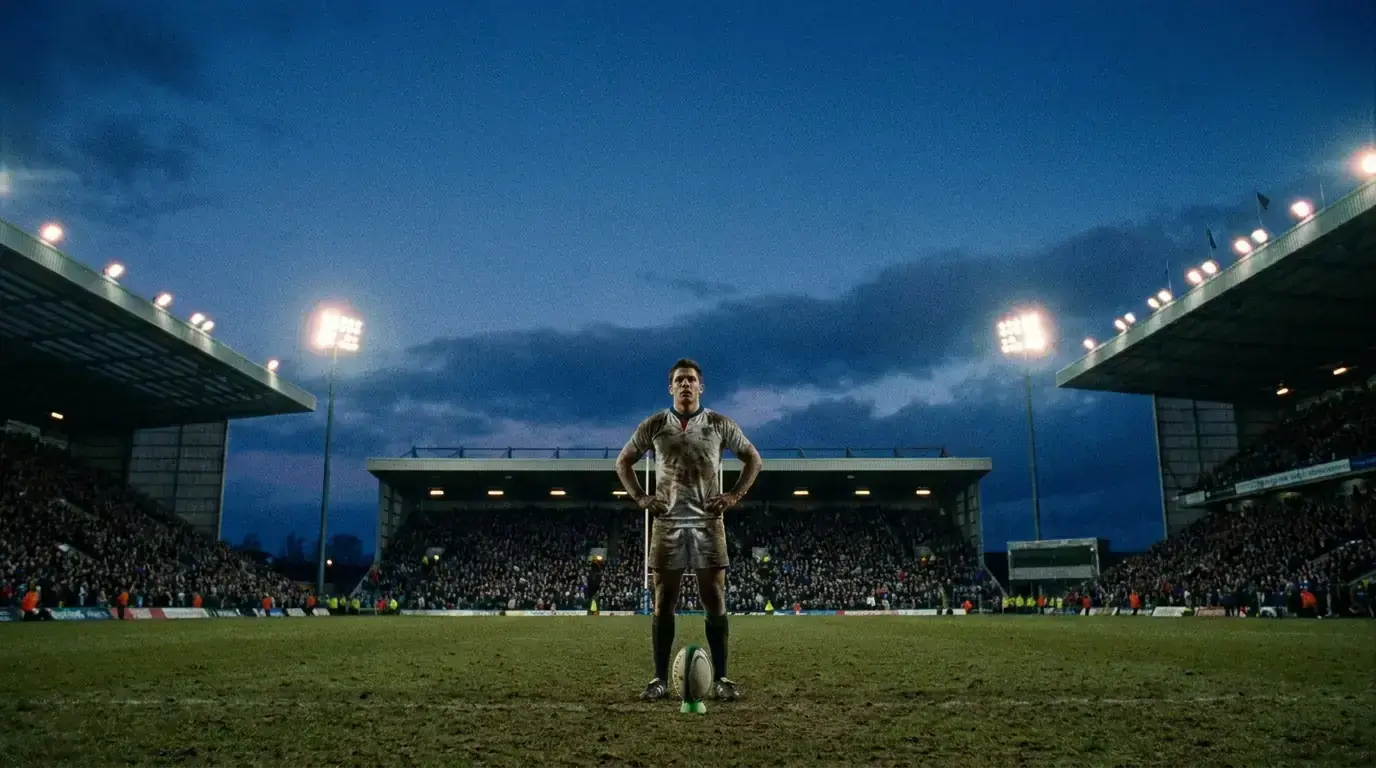
The implication is that a player of the tournament slip is, in practice, a compound bet. You are betting on the player being outstanding, and on his team reaching at least the semi-final. The compound nature is rarely visible in the bookmaker’s price, which is usually just the player’s standalone odds. The implied probability of the player’s team reaching the semis is buried in there, but it is not always priced correctly.
Backs win the award more often than forwards. Roughly two-thirds of historical player of the tournament winners have been outside backs, fly-halves, or scrum-halves. Forwards win it occasionally, usually when their team’s narrative depended unusually heavily on one set-piece specialist or back-rower. Tight forwards win it almost never. If you are tempted to back a tighthead prop at 50.00, the price is long for structural reasons, not because the bookmaker has missed something.
The same compound logic also applies in reverse. A player from a team that overperforms its pre-tournament rating sees his odds collapse rapidly. If your slip is on a second-tier contender’s player at 18.00 and his team upsets a favourite in the quarter-finals, the live price typically shortens to 6.00 within hours. That is the moment to consider a partial hedge or cash-out if your platform offers it. For a deeper read on how player and team markets interact, the top try scorer market is the natural companion read.
Reading value in the field
The single most useful filter on a player of the tournament market is to ignore everyone whose team’s outright tournament-win probability sits below 5%. Those players cannot realistically win the award even if they have spectacular individual tournaments. Their teams will not go far enough. The bookmaker’s price often does not reflect this clearly enough, especially in the long-shot bracket.
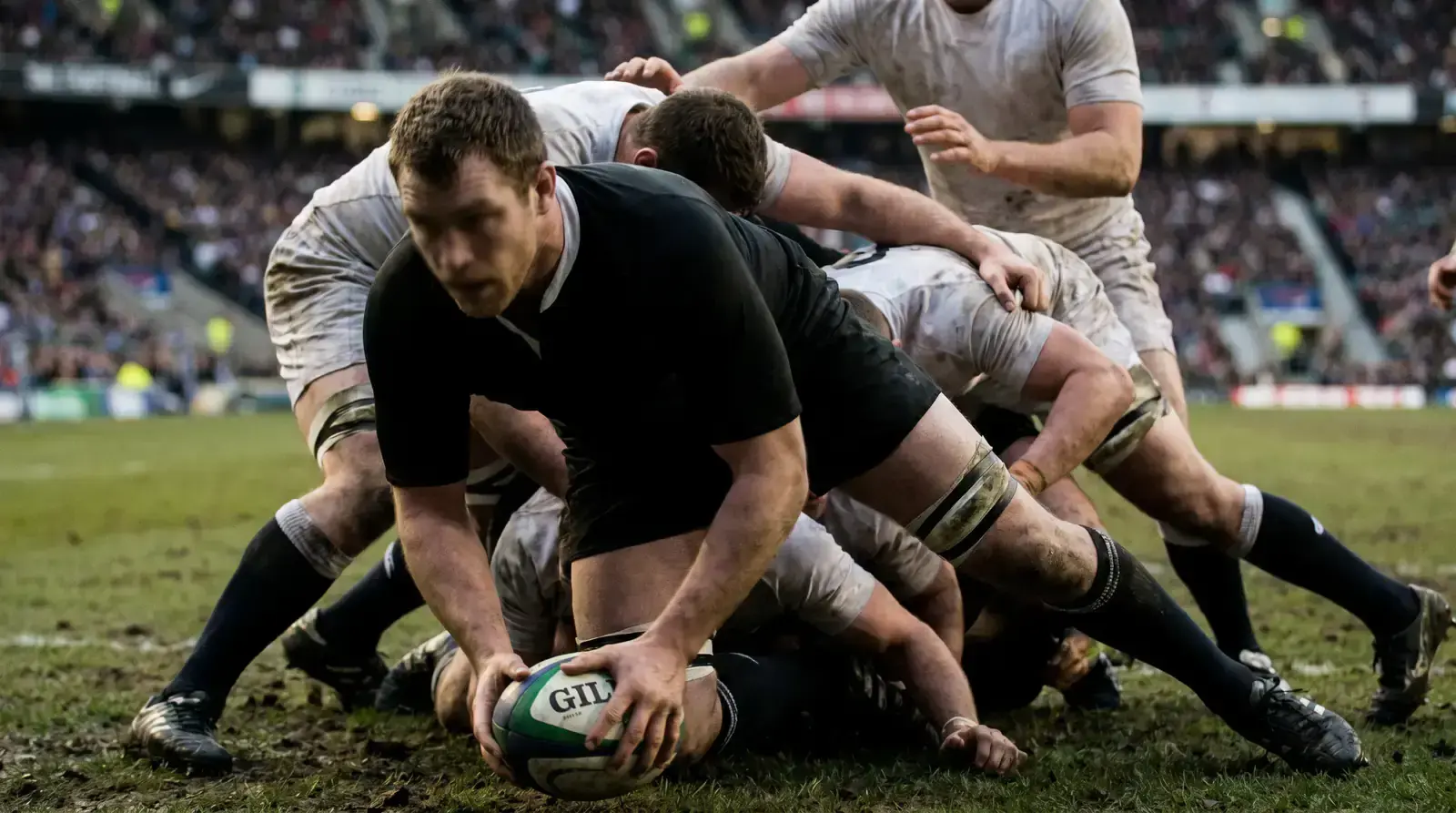
Once you have filtered to players from genuine contenders, the question becomes which player is undervalued relative to his team’s likelihood of going deep. The answer is usually a back from a side priced as third or fourth favourite. The fly-half of a side priced at 9.00 to win the tournament typically prices at 15.00 to 20.00 for player of the tournament. The maths usually breaks down to: if his team reaches the final, he is roughly 30-40% to win the award; if his team is knocked out earlier, he is essentially 0%. The 15.00 price implies one of those two scenarios needs to be more likely than the bookmaker has assumed.
Captains and goalkickers tend to get a small boost from voters. The award has a slight bias toward players whose role is leadership-coded, which generally means captains and primary kickers. Two seemingly equal candidates on the same side will frequently see the captain win the vote, especially if the team has had a dramatic tournament narrative. This bias is small but real, and it occasionally shows up as a price discrepancy between a captain and a teammate of similar quality.
The last useful read is form heading into the tournament. The award voters watch most of the same matches everyone else does, but they bring memory of the player’s recent club and international form to the panel. A player who has had a quiet club season is harder to vote for, even if his tournament performances are excellent. A player who has been dominant in the months before kick-off carries momentum into the voting. Pre-tournament form is not a one-to-one input on the award, but it is a useful proxy for how the panel will view individual performances during the matches.
The slip I look for and the trap I avoid
The shape of slip I look for is a back from a second-favourite contender priced in the 12.00 to 20.00 range. The team has a real path to the final. The player is recognised as elite but not yet in the bookmaker’s top-three line of conventional favourites. If his team makes the final, his price would have shortened to roughly 4.00 by then, and his actual chance of winning the award in that scenario is somewhere between 30% and 40%. The 12.00 to 20.00 entry price gives me enough cushion to cover the variance.

The trap I avoid is the long-shot forward. Forwards win this award rarely, and forwards from contenders priced beyond 33.00 essentially never win it. The price looks generous because the implied probability is low, but the actual probability is lower still. I have stopped placing slips in this bucket entirely, and the bankroll has thanked me.
The other trap is the early-tournament hot streak. A player who scores in his opening two pool matches sees his price collapse to roughly half its opening value. The temptation is to back him at the shortened price on the basis of momentum. The reality is that the price is now reflecting the early form, and the path forward — semi-final, final, voting panel — still requires his team to go all the way. The shortened price has eaten the early-form value but not added the deep-run certainty. I tend to pass on these moments, even when the player looks brilliant.
