
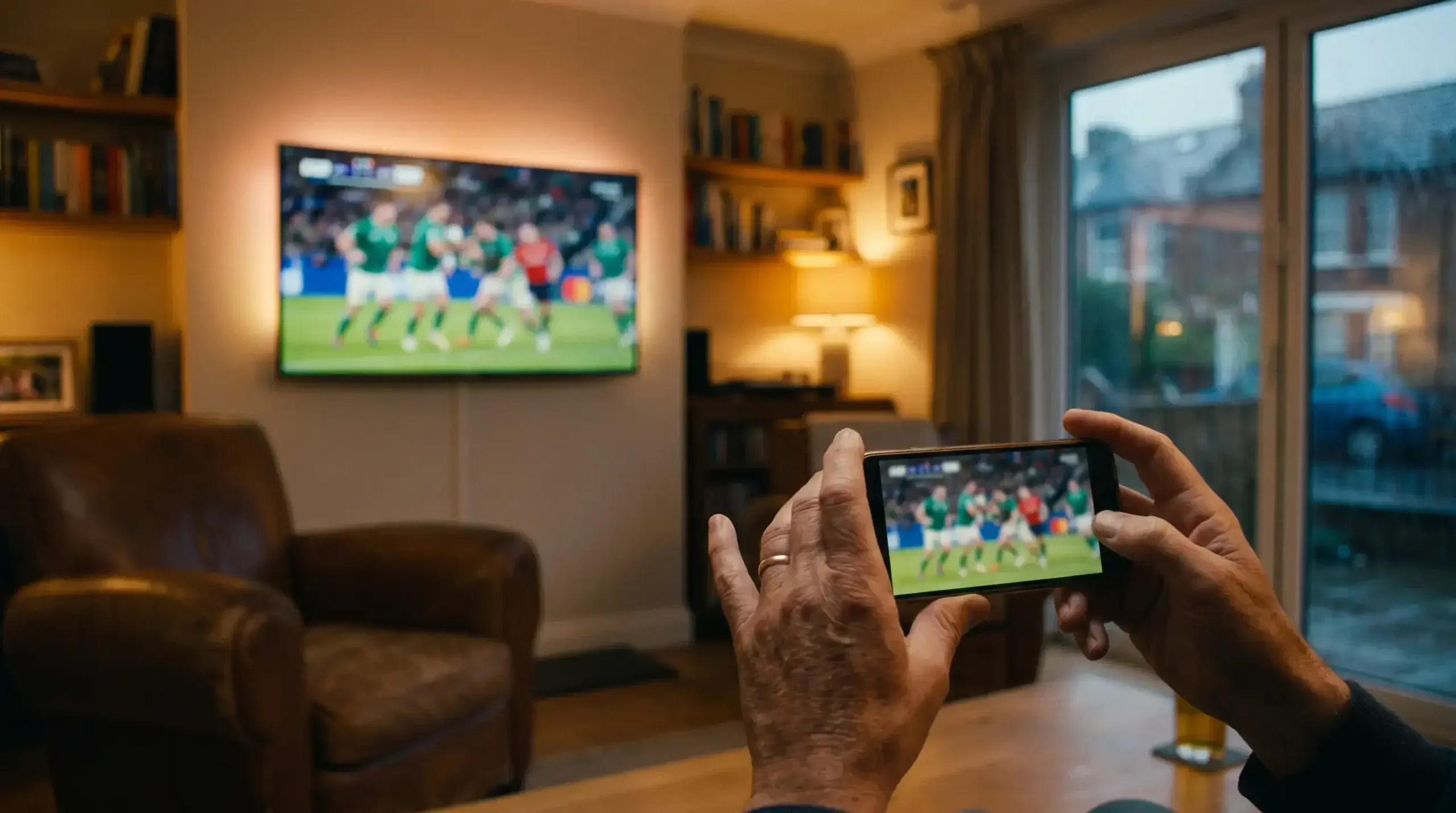

The market that thinks as fast as the game
The first in-play bet I ever placed was a panic stake in the 60th minute of a Rugby World Cup pool match, after a 20-point underdog had crept to within seven. The price on a comeback was 4.50. The price was wrong, and I knew it watching the game. I clicked, the bet went on, the underdog levelled within eight minutes and won the match. That was the moment I understood what live rugby markets actually do — they react to what just happened, not to what is about to happen.
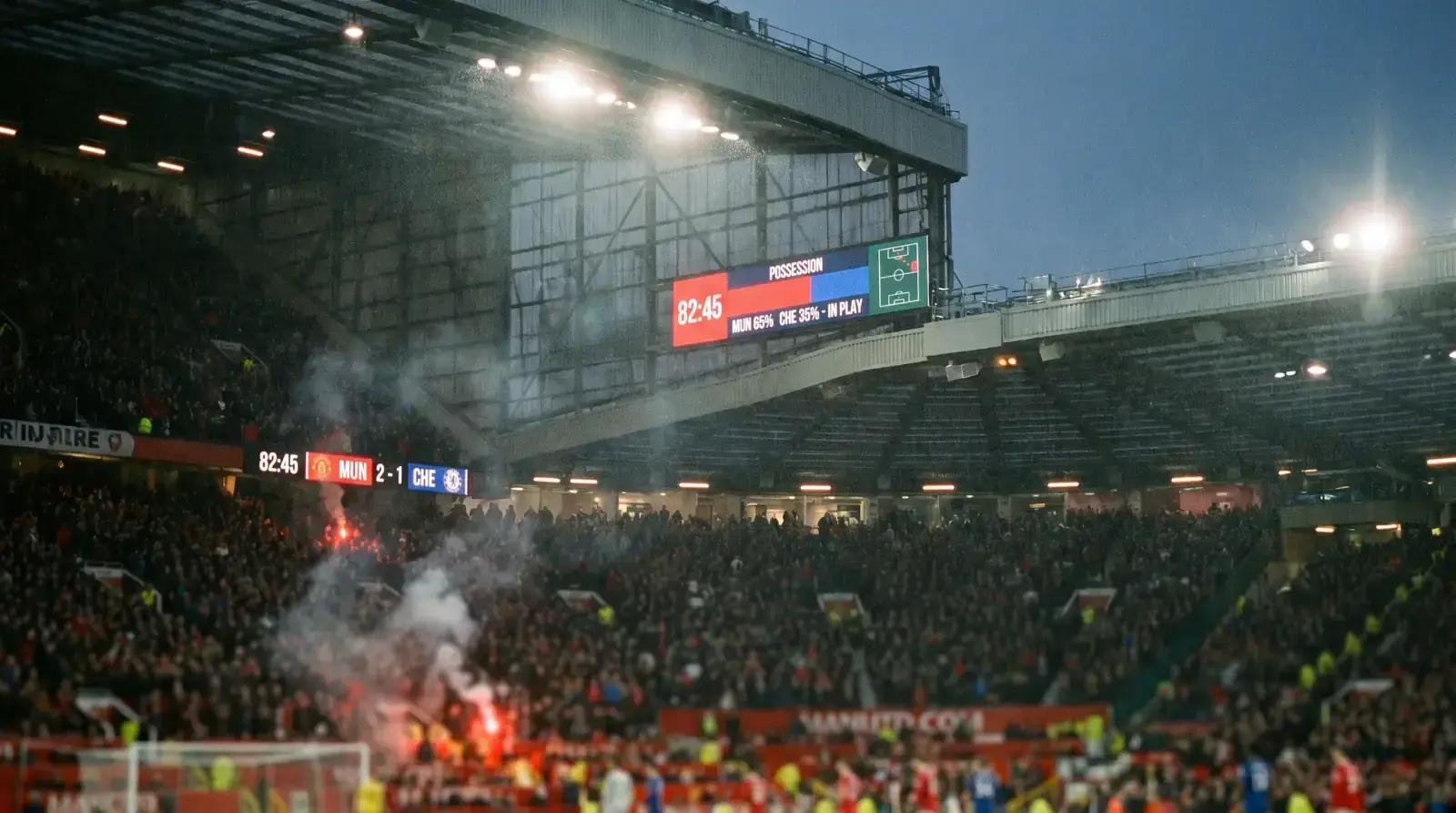
In-play betting is exactly what the name says. You stake on selections during a match rather than before kick-off, on prices that update in something close to real time. Some 95% of UK online gambling happens from home, and a meaningful chunk of in-play volume lands on phones during the second half, when the situation is at its most dynamic. The reason it is so popular is the reason it is so risky: the screen shows new numbers every minute, and they all look like they might be the right one.
Live markets reward two things — fast pattern recognition and slow stake sizing. Most punters get the pattern part right and the staking part wrong. The result is plenty of “good reads” that turn into bad slips because they were staked emotionally.
How live prices update
The mechanics of in-play pricing are simpler than they look from the outside. The book runs a model that converts the current match state — score, time elapsed, possession, territory, yellow cards, key injuries — into a probability for every available outcome. That probability is then dressed in margin and published as a price. The model recalculates after every significant event and republishes within seconds.
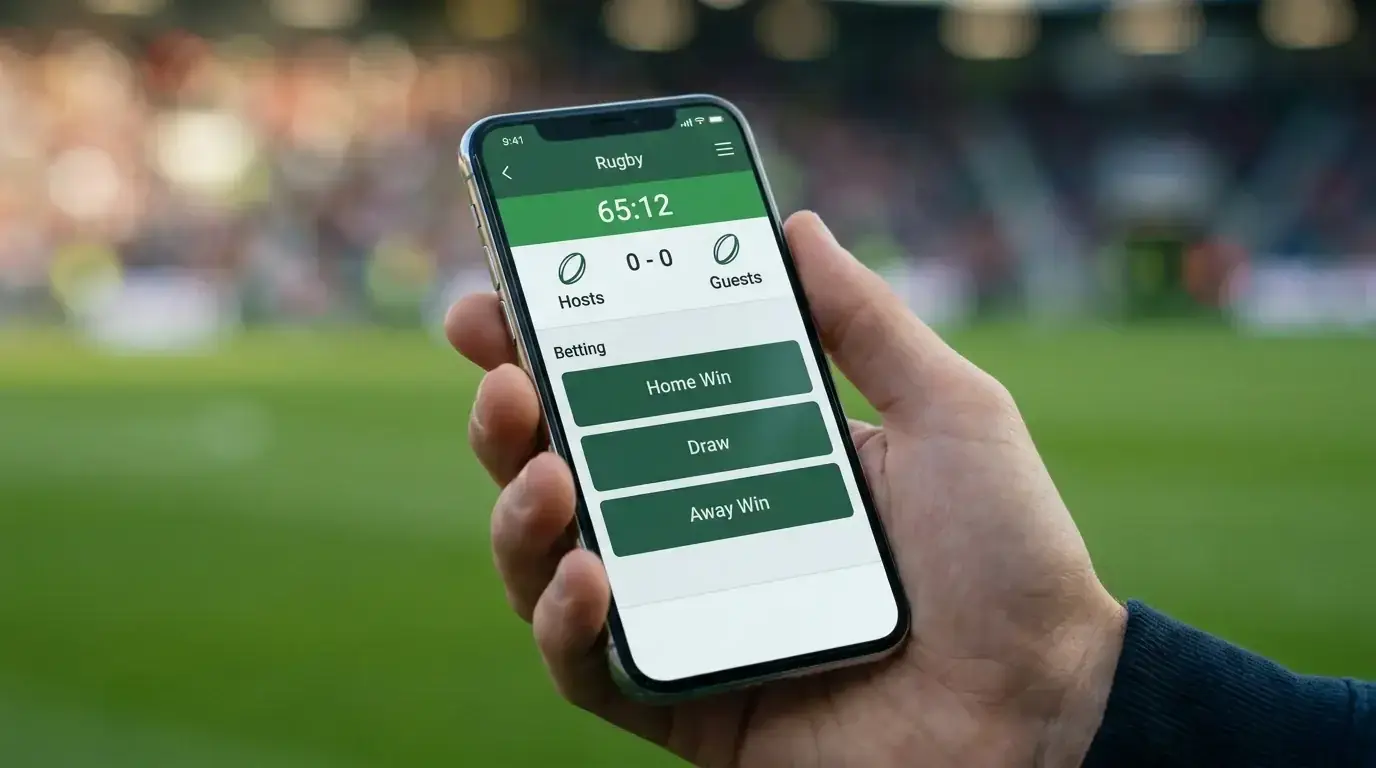
The lag between a real-world event and the updated price is where smart in-running bettors live. A try scored at minute 38 changes the match-winner probability immediately, but the price on the screen takes a few seconds to catch up. During those seconds, some books leave the live market open at the old number, others suspend it briefly, and a few accept bets at the old number that they later void as “obviously incorrect”. Read the operator’s rules on price-change voids before you start betting in-running. The terms vary more than punters expect.
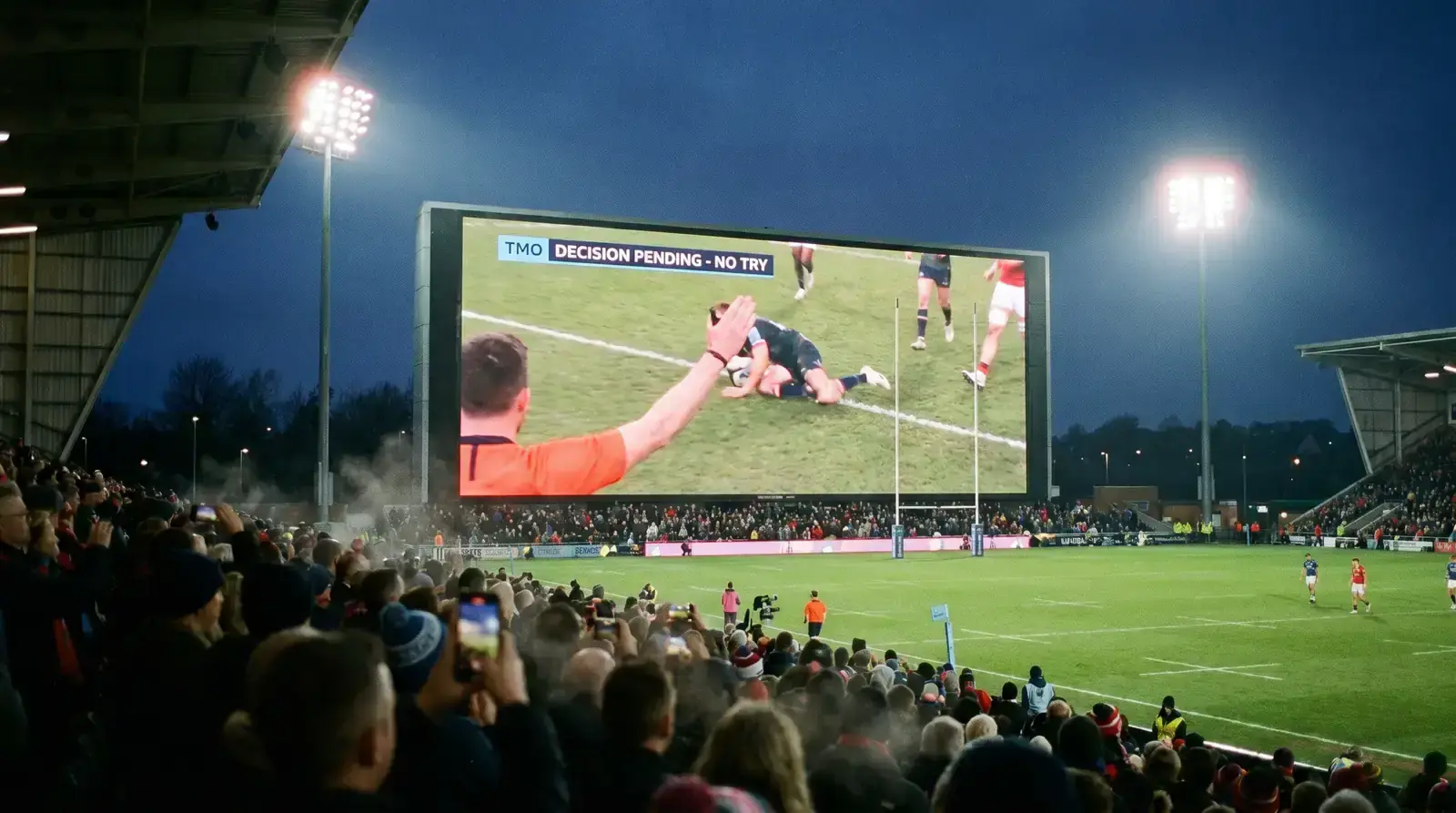
Suspensions are the second feature to understand. Almost every UK book suspends in-play markets during key moments — penalty kicks, scrums in the red zone, TMO reviews. The suspension typically lasts 30 seconds to two minutes. The market reopens at a new price reflecting whatever just happened. The standard quarterly data on the size of the UK online market — recent quarters have shown around £4.5 billion in gross gambling yield — gives you a sense of how much volume passes through these suspensions across all sports. The technology has to handle a lot. Sometimes it does not handle it well.
One technical wrinkle worth flagging is the in-play delay deliberately built into the official feed your phone is fed. The data the bookmaker is pricing on is anywhere from 5 to 30 seconds ahead of what you see on a standard broadcast. If you think you have spotted a mispricing because of something that just happened on screen, the book has almost certainly already adjusted. Betting “ahead of the action” by watching live coverage is structurally a losing strategy.
Markets that stay open in running
Not every pre-match market continues live. The ones that do tend to cluster into three families. Match outcome markets — money line, handicap, totals — stay open throughout the match with frequent suspensions. They are the workhorse of in-running rugby and the markets new in-play bettors usually start with.
Score-based markets — next try, race to 10 points, half-by-half totals — refresh more often than the main markets and tend to have wider margins. They are the books’ favourite product because the short horizon makes them effectively coinflips and the bookmaker’s edge compounds quickly. I treat them as entertainment slips, not as edges.
Player and prop markets in-running are the most volatile. Player to score a try, player to be man of the match, player to make a certain tackle count — these refresh based on involvement and position. They reward fans who watch a specific player obsessively. The mistake most punters make is treating them like pre-match futures, when they are really live bets on the next 20 minutes of one individual’s contribution. The horizon is shorter than it looks.
One useful pattern: in-running price on a heavy favourite that has fallen behind on the scoreboard. The model knows the favourite is the better side. The crowd is reacting to the scoreline. The price overshoots. If the favourite’s structural advantages — scrum dominance, bench depth, conditioning — have not been undone by the scoreline, the comeback price is often genuinely too long. That said, this is a play to take with discipline, not as a default behaviour. For the deeper market structure that sits behind these moves, the cash out market is the natural companion read — it operates on the same live valuations.
The discipline that separates winners from chasers
If pre-match betting punishes laziness, in-play betting punishes panic. The single most damaging behaviour I see — in myself included — is staking faster as the match goes on. Stake sizes drift up, decision time drifts down, and by the 70th minute the punter is placing slips they would have laughed at before kick-off.

The first discipline is a pre-set unit. If your in-play unit is £10, you stake £10 on every live slip until the match is over. Doubling the stake because “this one’s a lock” is the exact behaviour the bookmaker’s product design relies on. Recent quarterly UK data has shown a sharp lift in online gambling activity, and a lot of that activity is live. The product is engineered to be sticky. Your defence is mechanical staking, not willpower in the moment.
The second discipline is a pre-set number of slips. I cap my in-play bets at three per match. Not four, not “I will see how it goes”. Three. When the third is placed, my phone goes back in my pocket. The pattern that destroys live punters is not any single bet — it is the seventh, the eighth, the ninth bet placed because the match keeps offering moments that “look like” edges.
The third discipline is identifying what you are actually betting on. “I think they will score” is not a bet thesis. “The forwards are pinning their opponents inside their own 22 and the ref has set a high penalty count for offside” is a bet thesis. The first is a feeling. The second is a read that can be wrong but is at least testable. Make a habit of articulating the thesis to yourself before clicking confirm. The slips that survive that test are the ones worth placing.
What live betting rewards that pre-match cannot
For all the warnings, in-running has one real and durable edge over pre-match betting, which is information freshness. Pre-match prices are set on public information, lineups, and historic form. By kick-off, almost every piece of that data is priced in. In-running prices are set on what is happening on the pitch right now, and the model is only as good as the inputs it has access to.
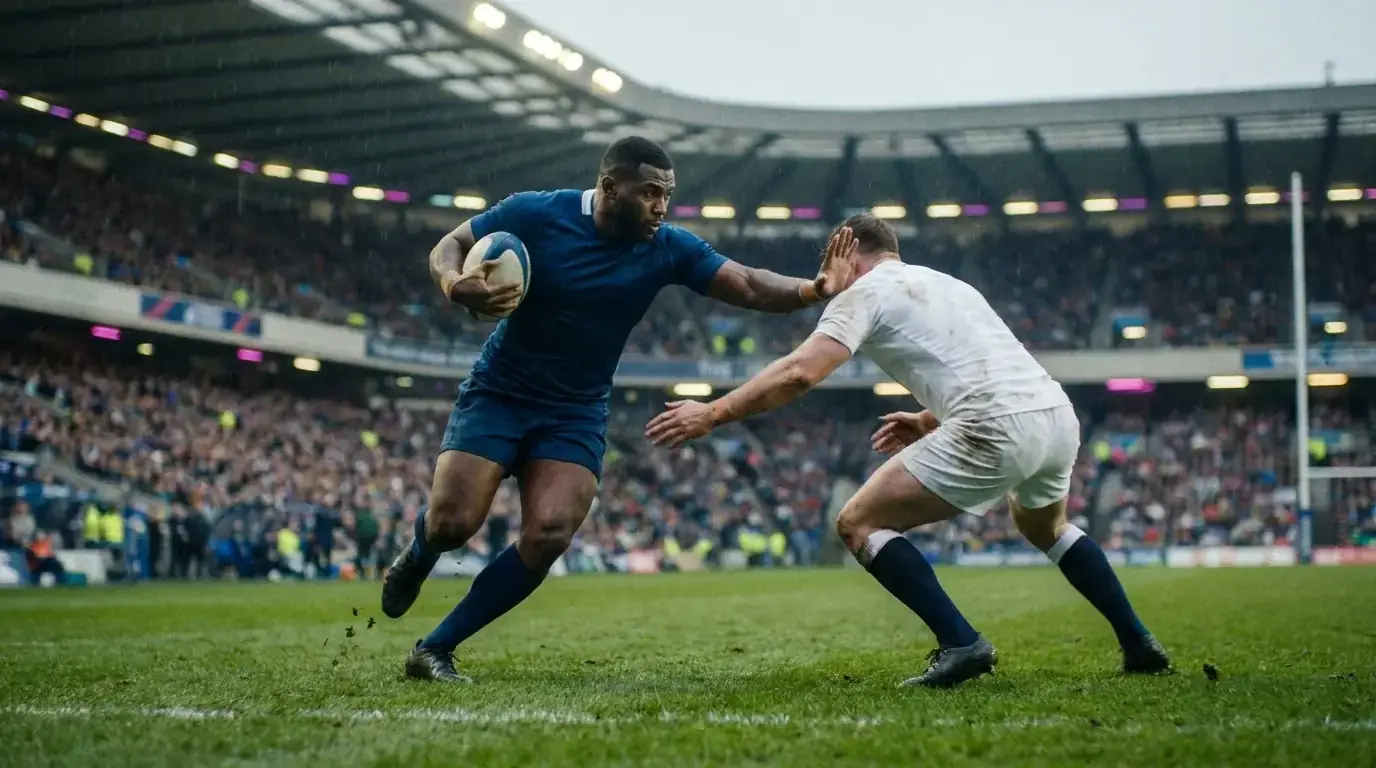
The inputs the model does not see well are tactical adjustments at half-time, the body language of a side that has just conceded a soft try, and the granular form of one player who is having an outstanding individual game. A watching punter who is genuinely paying attention can occasionally spot a misread that the data alone would miss. Those moments are rare, and chasing them as a strategy is not a get-rich-quick programme. But the edge is real, and it does not exist pre-match.
The way I think about in-play, by way of closing, is as the live edition of a market that pre-match has already done most of the heavy lifting on. The pre-match line is the considered opinion of every model and every sharp money the book respects. The in-running line is the same opinion adjusted for events. Your job is to find the small set of events the model is mispricing in real time. Three or four such moments per match is the realistic ceiling, not twenty.
