


Why the outright bet is its own beast
The first outright I ever placed was on New Zealand at long odds two years out from a tournament. The slip lived in a drawer for nearly twenty months before it paid. That waiting period, more than the price itself, is what defines an outright on the Rugby World Cup — and it is also what most punters underestimate when they first stake one.

An outright is a single bet on which team lifts the Webb Ellis Cup at the end of the tournament. You back a country, the price is locked, and the slip sits with you through every pool fixture, every quarter-final upset and every kicker’s nerves until either your team wins the final or your stake is gone. There is no early settlement, no partial win, no consolation. The horizon is the whole event.
That horizon is what makes the market behave differently from a match-winner price. New Zealand are an early favourite for 2027 with average prices around 3.50, with South Africa close behind at roughly 3.75 — the two sides that between them have won the last five tournaments outright. Those numbers do not move because of one warm-up result. They move because of injuries to a fly-half, a pool draw that suddenly looks easier, or a wave of money from one large bookmaker rebalancing its book.
If you think of a match price as a snapshot, the outright is a long exposure. Every variable in the tournament leaves a trace on it. That is its appeal and its trap in equal measure.
What an outright actually is
A Rugby World Cup outright is what the trade calls a “futures” market. You are not predicting a single 80-minute result, you are predicting the last team standing at the end of a six-week tournament with roughly fifty matches in between. The book sets a price for every nation that could realistically (and many that cannot) win the trophy. You pick one, you stake your money, the line is settled.

The key technical feature is that your odds are frozen the moment the bet is struck. If you back the host nation at 8.00 a year before the tournament and they later become co-favourite at 4.00, your slip still pays at 8.00. The market price has moved, your contract price has not. This is why ante-post outrights are so attractive — you are buying the price as it stands today, not as it will look once everyone else has noticed.
It also means the bet is binary. There is no place portion in a standard outright. A team that loses a heartbreaking final still settles your slip as a loser. That is the structural difference between a straight outright and the each-way variant most UK books offer alongside it, and it is the reason I tend to size outright stakes conservatively. The variance is brutal at the long end of the market.
One more wrinkle worth knowing: how a book treats withdrawn teams. The standard UK rule is that if a side has not played at the time of withdrawal, stakes are refunded. If a tournament has begun and a side withdraws mid-event, settlement defaults vary by operator. Read the rules tab before staking serious money on a fringe nation. I have seen punters caught out by a single line of small print after a tier-two side pulled out before kick-off.
Ante-post versus late prices
The single most important decision an outright bettor makes is when to strike. Take the price too early and you are guessing at injuries, form curves and pool draws that have not happened yet. Take it too late and the market has done your homework for you and priced out the value.
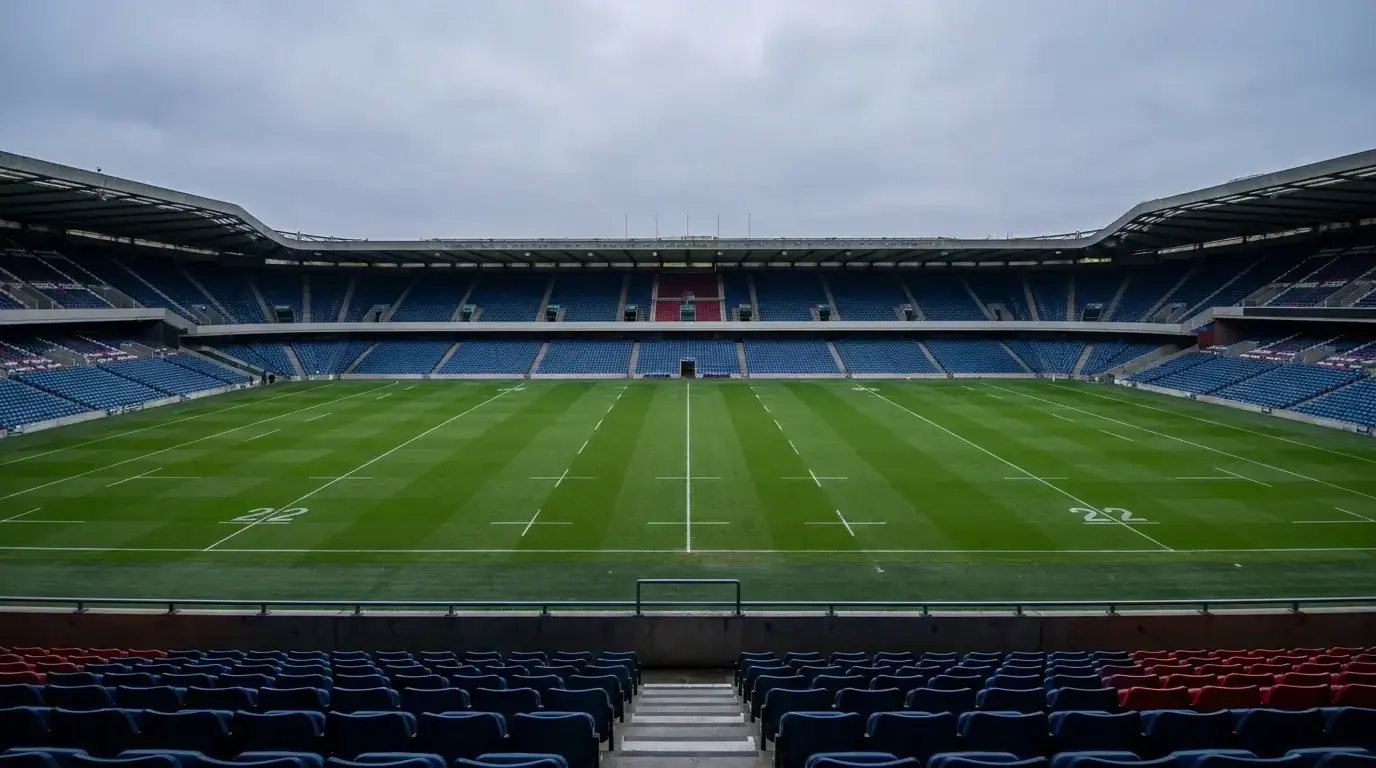
Ante-post — long before the tournament — is where outright prices are at their most generous and least informed. The book has to put a number on every contender months before squads are even confirmed. Smart money tends to land on the obvious favourites first, leaving second- and third-tier contenders mispriced relative to their realistic chances. Argentina’s 2007 and 2015 semi-final runs were both available at much friendlier numbers a year out than they were on the eve of kick-off. Same with France in the run-up to the 2023 cycle.

Late pricing — once warm-up matches have been played and the squad is known — strips most of that asymmetry out. By the time the tournament begins, the favourites’ prices reflect almost every public piece of information available. You can still find value, but you are now in a fight with sharper money rather than a bookmaker’s opening line. Marc Marinos, speaking around the build-up to the 2027 hosting decision, called the tournament “huge for us in terms of resetting our whole landscape” — that scale is exactly what drags the late market closer to efficient.
My own framework is simple. If a team has a clear structural reason to be undervalued — a new coach who has changed the side’s identity, a returning star from long-term injury, a kind pool draw — I take the ante-post price. If my edge is purely “I think they look in form” three weeks before kick-off, I usually pass. By that point the form is already in the number.
There is also a middle option that gets overlooked: the window straight after the pool draw. A draw reshuffles probabilities sharply for sides on the borderline between fourth and second favourite. Books reprice within hours, but not always perfectly, and that window is one of the few places where careful research can still beat the market. If you want to dig into how the new 24-team draw redistributes those probabilities, the analysis of how Rugby World Cup prices move walks through it in more depth.
Managing an outright position over the tournament
An open outright slip is not a static thing. It has a value that fluctuates with every match your team plays — and several UK books now let you trade out of it before settlement. That is the part of outright betting most beginners ignore, and it is where experienced punters separate themselves.

Suppose I back a side at 6.00 and they cruise through their pool. By the time the quarter-finals start, their live price might have shortened to 3.00. The book will often offer a cash-out figure that effectively realises part of my expected value early. The maths is rough — books skim a margin off the fair conversion — but it is real. I treat that decision exactly like trading any other position: do I want the exposure to keep running, or do I want a guaranteed mark-to-market profit now?
The other useful tool is hedging. Once your team reaches the final, you can lay them at current short prices via a match-winner bet on the opponent, locking in profit whatever happens. The numbers are unromantic but tidy. If your original 6.00 outright stake is £20 and the opponent is now 2.00 in the final, a calibrated hedge on the opponent guarantees you a positive return regardless of who lifts the trophy. The trade-off is that you cap your upside in exchange for certainty.
There are also defensive moves. If your team picks up a key injury between rounds, the live outright price often drifts before you can react. Reading injury news quickly and either cashing out or laying off the position can save the bulk of a slip that would otherwise haemorrhage value over the next match. None of this is glamorous, but the punters I respect the most all do it.
One reminder: every outright I have ever placed has tested my discipline somewhere in the middle of the tournament. A scare in the pool stages, a flat performance in the quarters, a tight semi-final. Position management is mainly about not panicking at the obvious moments and not getting greedy at the obvious ones either. That is the whole skill, written one sentence.
