


The market that ignores who wins
The bet I find myself returning to most often during a Rugby World Cup is the points total. Not because it pays more or less than a winner market, but because it does not care who lifts the trophy that day. The over/under cuts the question of “who” out entirely and replaces it with “how much” — and that simplification is also a clarification. You stop trying to predict the result and start trying to predict the shape of the game.
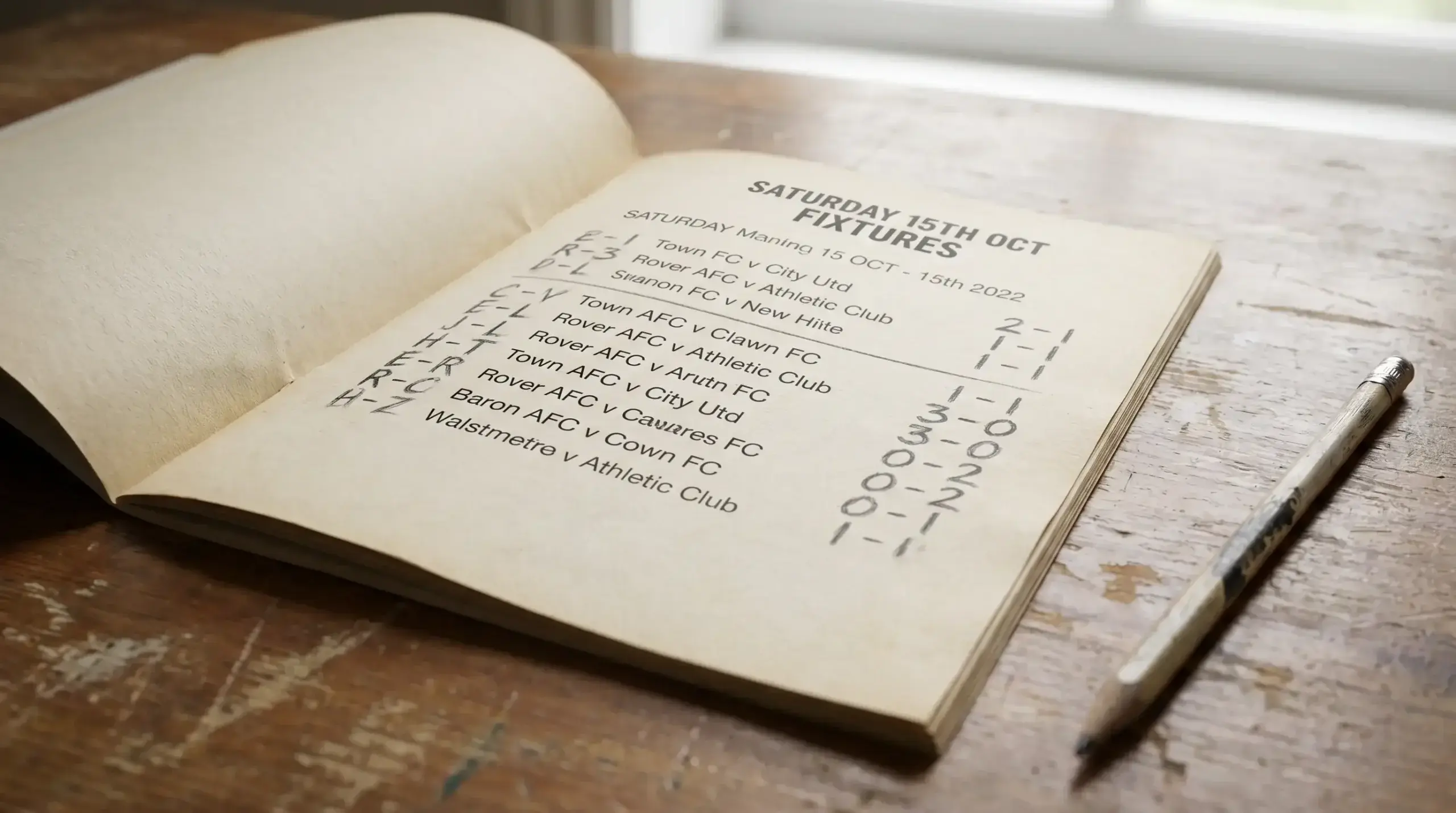
Roughly 290 million online bets are placed on real-world events in the UK in a typical month, and totals account for a meaningful slice of that volume across every major sport. Rugby is one of the codes where the totals market does its best work, because the gap between a 9-6 grind and a 52-31 shootout is enormous, and it tracks fairly reliably with conditions, tactics and tournament stage.
If you have ever watched a pool match and known, in your bones, that it was going to be a points festival before kick-off, you have already done the basic analytical work the over/under rewards. The market just gives you a way to monetise that feel.
Reading the points line
The structure is exactly what it sounds like. The bookmaker sets a number — the total — and you bet on whether the combined points scored by both teams will land above it or below it. Stake on the over, and you need 49 or more combined points to cover a 48.5 line. Stake on the under, you need 48 or fewer. Half-point lines remove the possibility of a refund, the same way they do on handicap markets.

UK books price each side close to 1.91 at the standard line. That implied probability of just under 53% each is where the bookmaker’s margin lives. Some books also publish “wider” lines at lower juice — a 50.5 line with one side at 1.85 and the other at 1.95, for instance — and a punter who shops around can find the same outcome priced two or three percent more generously somewhere on the high street.
The total is the bookmaker’s prediction. Take it as a hypothesis to test, not a fact to accept. For an All Blacks pool fixture against a tier-two side, lines historically sit anywhere from 60 to 80 depending on opponent. For a tight knockout match between two top-four nations, the line often dips into the high 30s. The gap between those two contexts is the entire reason the market is interesting — there is no single number that describes a typical Rugby World Cup match, because there is no typical Rugby World Cup match.
One technical wrinkle worth knowing: the points total in a standard UK rugby market is for normal time. Knockout matches that go to extra time settle the total on the 80-minute scoreline unless the slip explicitly says otherwise. If you want to back overs in a tight quarter-final, double-check whether the book is offering an 80-minute or “to-the-final-whistle” line.
Pool blowouts versus tight knockouts
Rugby World Cup totals split cleanly into two product lines once you start looking at them seriously. Pool-stage matches behave one way, knockouts behave another, and the strategies that work in one phase often invert in the other.
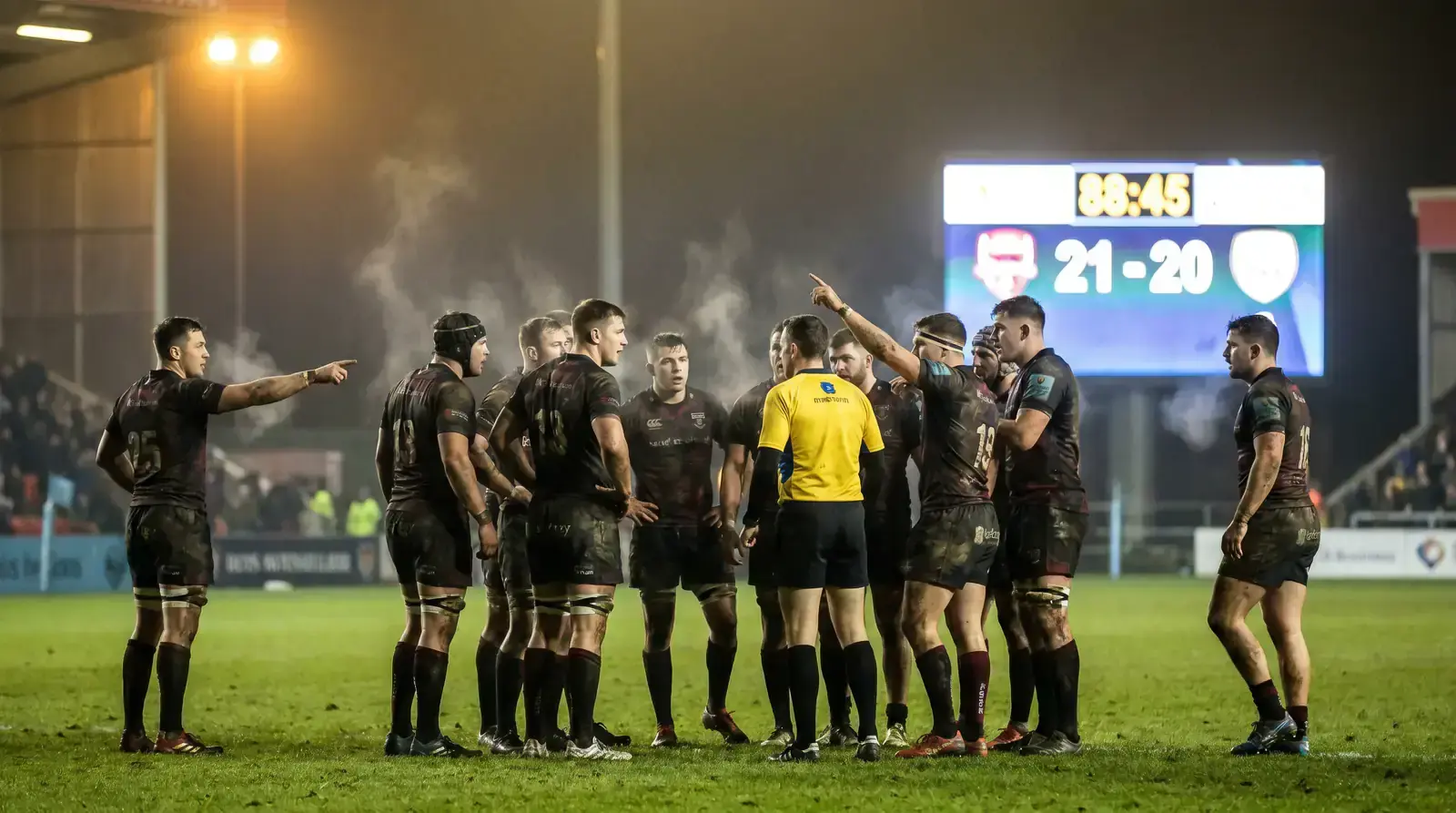
Pool stages are where the highest totals live. Some 85% of UK bettors say the chance to “win big money” is their main motivation for staking, and tier-one versus tier-two pool fixtures are where over markets feel closest to that promise. A heavy favourite running up 50-plus points against a tiring underdog is the default outcome. The interesting calls in this phase are not “over or under” in the binary sense — those are usually obvious — but “by how much” the obvious side. A line of 75.5 against a side that has shipped 90 points twice in their last three tournament outings is a different read from a line of 75.5 against the same side after they have just upset a tier-one rival in the previous round.
Knockouts compress everything. The same teams that played open, structured rugby in the pool will close up shop, kick for territory, and grind for two-point penalty advantages. Quarter-finals and semi-finals in particular tend to fall under their pre-tournament expected totals. The 2019 semi-final between England and New Zealand finished 19-7. The 2023 final settled at 12-11. If your default mental setting on Rugby World Cup totals is “go over”, the knockout stage will quietly hand the bookmaker your money.
What changes between phases is not just the quality of the opposition. It is the cost of a mistake. A loose offload in a pool match against a weaker side costs you possession. The same offload in a quarter-final costs you the tournament. That single fact compresses scoring across the entire knockout bracket. If you want to think about how the bracket shape itself influences these patterns, the analysis of handicap lines and how they sit alongside totals is the natural companion read.
What actually moves a totals line
Three factors deserve more attention than any other when reading a Rugby World Cup points line. Weather is the headline one. A wet, heavy pitch slows the ball, kills the offload game, and turns the contest into a kicking duel. Lines in those conditions historically settle 10 to 15 points lower than the same fixture played in dry weather. Most UK books publish their pre-match line 24 hours out. The forecast on the morning of the match is one of the few public pieces of information that can give a sharper read than the bookmaker’s overnight number.

Referee profile is the second. Some referees set high penalty counts and reward attacking sides. Others let play flow and produce lower-scoring grinds. Both are valid styles of officiating, but they produce systematically different totals. Watching three or four matches officiated by the assigned referee in the months before the tournament is one of the cheapest forms of edge available on this market. Nobody bothers to do it, which is why it still works.
Squad rotation is the third. Coaches at major tournaments rotate hard during the pool stages, especially in the final pool match if their side has already qualified. A second-string starting fifteen often shifts a totals expectation by 10 points in either direction depending on which positions are rested. The bench composition matters too — a side carrying weaker replacements in the front row tends to ship late tries as the scrum collapses in the final twenty minutes.
None of these are secret. The data is all in match previews, weather feeds, and squad announcements. The reason the market still rewards careful reading is that most over/under bettors size their stakes based on gut, not on whether the line agrees with the inputs. If you build the habit of asking “what specifically about this match makes the line wrong” before staking, you have already separated yourself from the average punter.
The discipline that keeps totals bettors profitable
Totals betting punishes recency bias harder than any other rugby market I know. After two high-scoring matches in a row, every line looks like an over. After a 6-3 grind, every line looks like an under. Both reads are usually wrong by the time you place the bet.

The fix is to anchor on the line itself before you anchor on your prediction. Look at the number, write down what total you would set for this match without seeing the book’s, and only then compare. If your number is more than two points away from the published line, you have a potential bet. If it is within two points, you are essentially agreeing with the bookmaker, and the margin makes the slip a loser at scale.
The second discipline is staking. Totals are not coinflips even when the price says they are. A 1.91/1.91 line still hides a five percent margin in favour of the book, and you can only beat that margin over enough fixtures for the maths to converge. Treat one slip as a sample of one, treat fifty as the actual experiment. Smaller, consistent stakes across a tournament beat oversized swing bets on the matches you “feel” about.
