


The first three weeks decide most of the slips
The slip I underestimated the longest was a “to qualify from pool” bet on a tier-two nation that everyone had written off. Three matches into the tournament, they were through, and the slip cashed at 6.00. The semi-final and final were still a month away. I had bet on the trophy. The pool market had already paid.

Pool betting is the family of markets covering the group stage of the Rugby World Cup — pool winner, to qualify, exact pool finish, head-to-head matchups within the pool. It is the quietest section of the bookmaker’s menu and one of the most edge-friendly for punters willing to do their homework. The reason is structural. The pool stage is where the most information asymmetry exists between what the casual market knows and what serious form analysis reveals.
The 2027 tournament will be the first to run a 24-team format split into six pools of four, with the top two from each pool progressing alongside the four best third-placed sides to a new Round of 16. The format changes the maths on every pool market, and the changes are not always intuitive. A side that was a clear pool-stage failure under the old 20-team format may be a credible qualifier under the new one. Pool prices that have not adjusted for that shift are where the early-tournament value lives.
Pool winner and to qualify
The pool winner market is the simpler of the two main pool bets. You back a side to finish top of their group of four after the round-robin. UK books price favourites in pools containing a heavy contender at around 1.30 to 1.50, with the second seeds typically sitting between 3.00 and 5.00, and the bottom two pool teams priced as the long shots they almost always are.
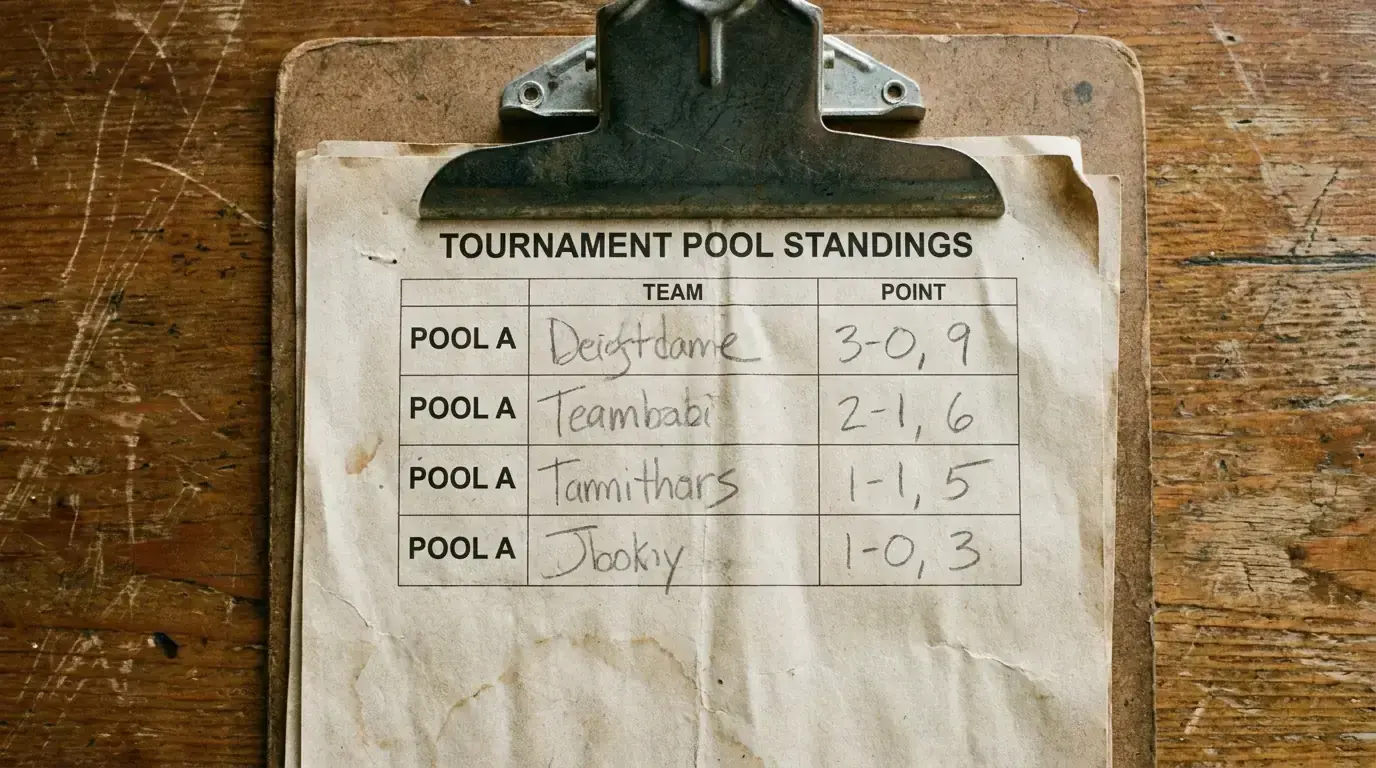
The to qualify market is materially more interesting. Under the 24-team format, the top two from each pool advance automatically, plus the four best-ranked third-placed sides across all six pools. That means the to qualify market is no longer a clean two-from-four question. It is more like a top-three structure where three of the four pool sides have a credible path through. The prices on the third seeds in particular have not, in my experience, adjusted enough yet to reflect the additional route to the Round of 16. Some books are still pricing third-seed qualification as if the old eight-team knockout format applied.
One technical wrinkle. The “best third-placed sides” tiebreakers are based on World Rugby’s standard criteria: points, then points difference, then tries scored, then head-to-head. A third-placed side that scored consistently across their three losses can edge out a side that suffered one heavy defeat. Backers of pool underdogs should pay attention to the bonus point structure — a side that picks up four-try and losing bonus points can outpace a side with the same record but no bonus points.
Books also offer exact pool finish — backing a side to come precisely first, second, third or fourth. The prices on this market widen at the second and third positions because the outcomes are noisier. A typical second-seed exact finish at second pays around 2.50 to 3.50, considerably more than the “to qualify” price on the same side at around 1.30, but the slip cashes far less often because of the noise in finishing exactly second.
How the 24-team draw reshapes pools
The expanded format has done something fundamental to pool dynamics. Previous Rugby World Cups ran pools of five teams playing four matches each. The 2027 tournament shifts to pools of four teams playing three matches each. Less rotation, less squad rest, more sudden death. Each match has more weight in the pool standings because there is one fewer of them.
Australia 2027 will run from 1 October to 13 November 2027, the first tournament in this new structure, with 52 matches in total. That extra concentration of meaning per match has reshaped the bookmaker’s models in two specific ways. First, upset probabilities have risen. A heavy favourite who suffers one bad day in a three-match pool can no longer recover with a strong fourth fixture. Second, bonus points matter more. The four-try bonus and losing bonus are the same as ever, but in a three-match pool, picking up one or two of them can be the difference between qualification and elimination.
Second-seeded sides — the ones priced around 3.00 to 5.00 in their pool — are the structural beneficiaries of the new format. They have a meaningful upset chance against the top seed and the additional path of “best third-placed” as a backstop if they finish behind both the top seed and the third seed. A pool with two genuinely close sides at the top now produces a more uncertain “pool winner” market than it would have under the old structure, where the additional matches eventually smoothed out the variance.
The flip side is that fourth seeds are even less likely to surprise. With only three matches and no opportunity to build up form across a longer schedule, the bottom side has effectively zero realistic path to qualification. Their pool winner and to qualify prices, while long, are usually long for good reason. The 2027 tournament’s broader scale will be unprecedented — for context on the wider event, the expanded-format preview covers the tournament-level changes in more depth.
Reading pool prices like a model
The exercise I run before staking any pool market is to convert all four published prices into implied probabilities and see whether they add up to a number close to or far from the typical 105–108% bookmaker overround. If they sit at, say, 105%, the book has been mean with its margin and there is little obvious mispricing inside the pool. If they sit at 112% or more, the book has been generous on at least one selection — and that selection is usually where the value sits.
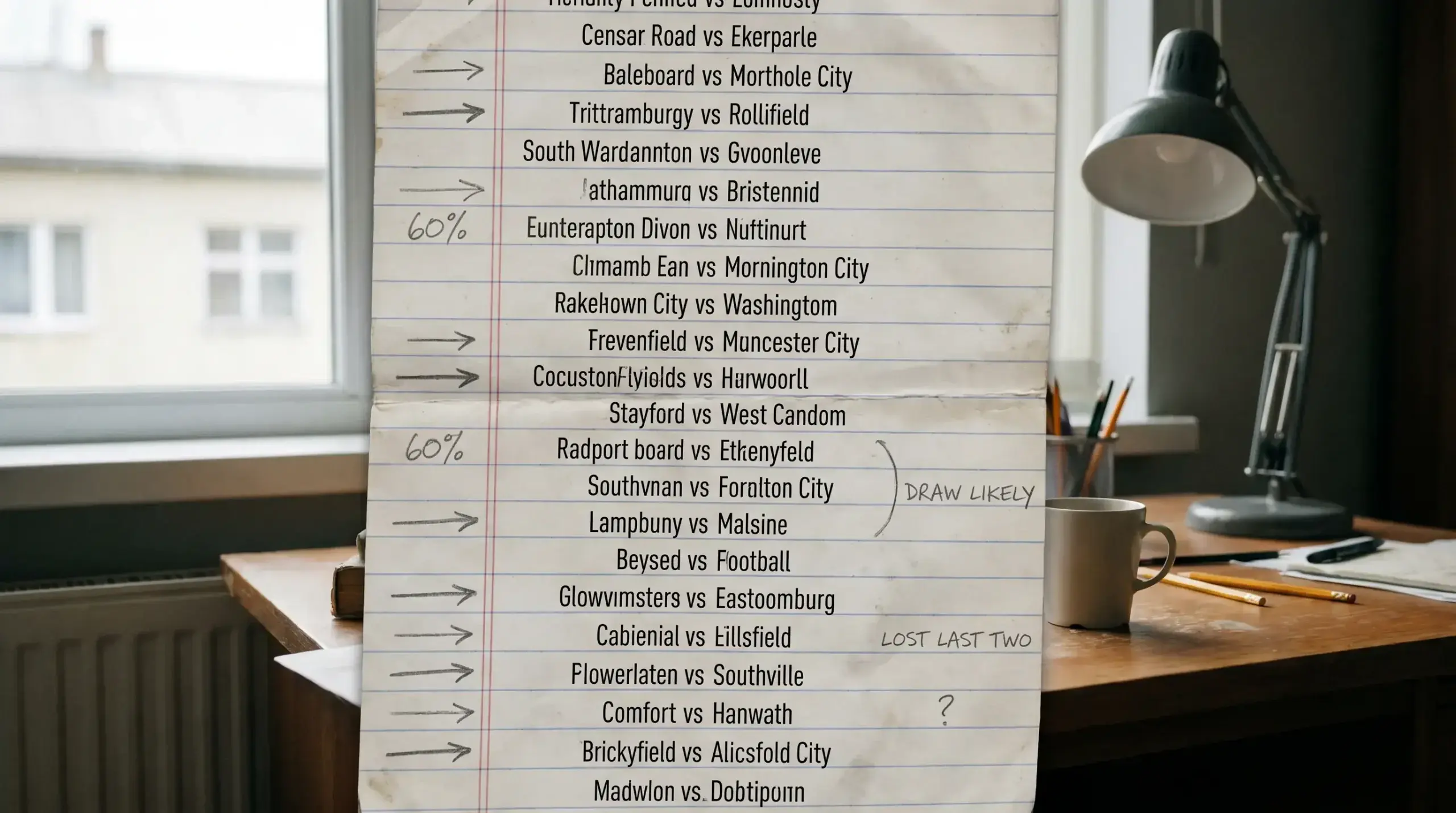
The mispriced selection in a pool market is almost always either the second seed or the third seed. The top seed is priced tightly because everyone bets on it. The bottom seed is priced as a long shot because there is no public market for it. The middle two are where the bookmaker has the least conviction and the least volume to balance the book. That uncertainty shows up in slightly looser margins on those specific prices.
One pattern I have used reliably over the past two cycles is the “third seed at value” approach. Identify a pool with three competitive sides and one walkover. Find the third seed in that pool. Compare the to qualify price on that side at multiple books. If two books are pricing the same to qualify at 4.50 and 6.00, the 6.00 book is, by definition, mispricing it. Most punters take the first price they see. Shopping around for the longest available number on the same selection is one of the few risk-free edges in betting, and pool markets are where the spread is widest.
Head-to-head matchups within a pool are a separate sub-market worth flagging. They settle on the result of two specific sides’ individual fixture during the pool stage. The prices are usually similar to but slightly different from the standalone match-winner market for the same fixture, and occasionally a book will leave them open at a marginally worse line on one side. The slip is essentially a match-winner bet under another label, but the price differences can be small and meaningful.
The slips I take and the slips I avoid
I take to qualify slips on second seeds with a clear structural reason to be undervalued — a returning star player, a coaching change that has tightened defensive structure, an unusually soft third opponent in the pool. The price typically sits between 1.40 and 1.90, which is short but cashes at a high enough rate to justify the stake.

I take pool winner slips on third seeds extremely rarely, and only when the top two pool seeds have a credible chance of beating each other, leaving the third seed with a path through draws and bonus points. The slip is a long-shot speculation and should be staked accordingly.
I avoid pool finish markets on fourth seeds entirely. The variance is high and the prices are not generous enough to justify the long-shot stake. The bookmaker has priced these slips for the punters who back them out of habit, not for the punters who back them with edge.
I avoid early pre-draw pool slips on principle. The pool draw itself is the single biggest input on every pool market, and staking before the draw is known means staking on a model the book has run with placeholder values. Wait. The market reprices within hours of the draw, and the version of the bet you would have placed before the draw is rarely the one worth taking afterwards.
