


The first World Cup the format has actually changed for in decades
For two decades the Rugby World Cup ran on essentially the same architecture: twenty teams, four pools of five, three pool games per team, then straight quarter-finals. In Australia from 1 October to 13 November 2027, that architecture changes for the first time in a meaningful way. The tournament expands to twenty-four teams, the pool structure changes to six pools of four, and a new round of sixteen sits between the pool stage and the quarter-finals. The headline numbers are 52 matches and more than 2.5 million tickets available — more than any previous men’s World Cup has offered.
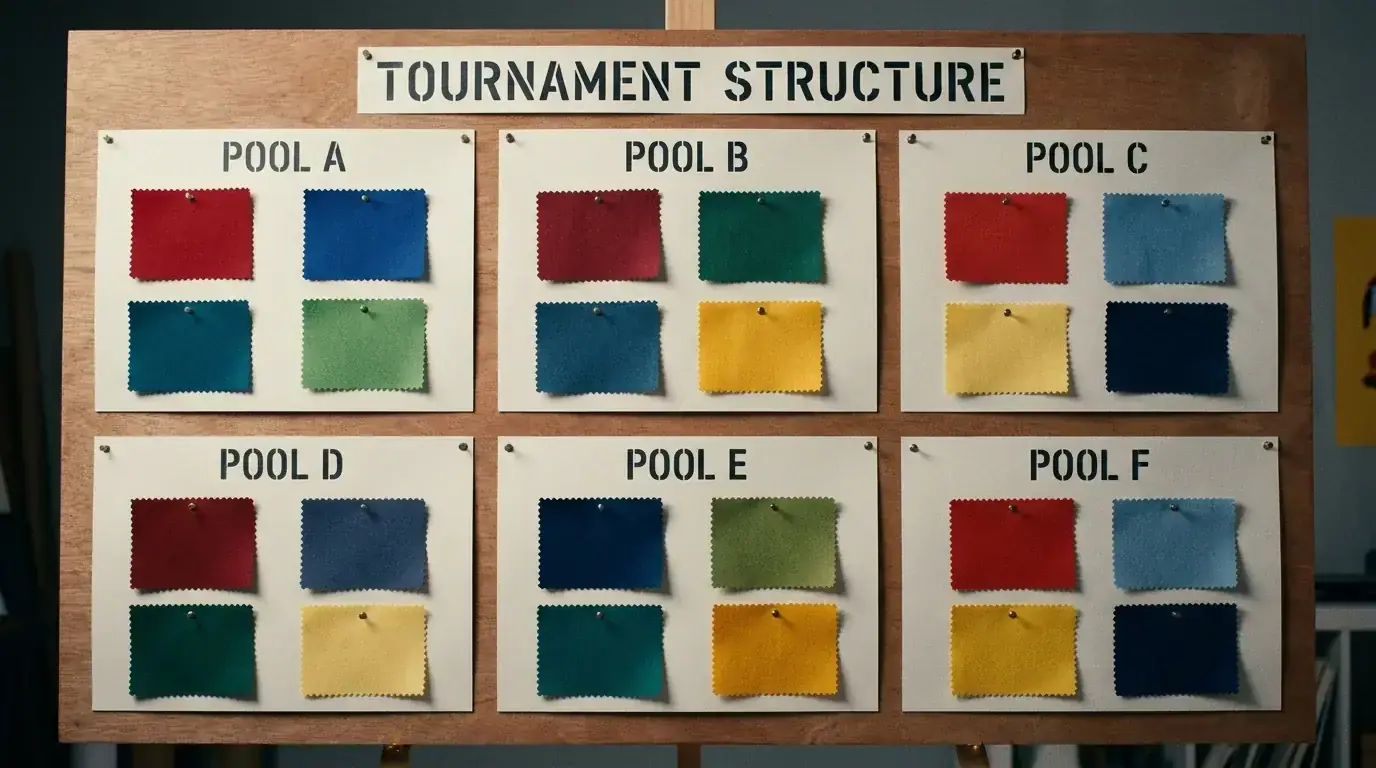
The format change is not cosmetic. It alters the probabilities every team faces, opens new pathways into the knockout rounds, and reshapes how betting markets are priced from the outright at the start of the tournament down to the handicap and totals markets on individual fixtures. A punter coming into 2027 with a mental model built on the 2019 or 2023 formats is working from a stale template, and the calibration matters.
Rugby Australia leadership at the time of the hosting announcement described the impact for Australian rugby specifically: “(This is) huge for us in terms of resetting our whole landscape… not only about the revenue you generate out of the event, it’s about connecting with new commercial partners, re-engaging with broadcasters.” The reset framing extends to the format itself — the tournament arriving in Australia is structurally different from the one that left France in 2023.
The expanded calendar from 1 October to 13 November
The tournament runs across forty-three days from the opening fixture on 1 October 2027 to the final on 13 November in Sydney. The duration is comparable to recent World Cups, but the matches per day and the weekly rhythm shift as the tournament moves through its phases.
The pool stage runs through the first three weeks. Each of the twenty-four teams plays three pool games against the other three sides in their pool, generating thirty-six pool matches across the period. The match density is higher than in previous World Cups because more teams are playing across roughly the same calendar window, which means more fixtures concentrated into Friday-to-Sunday slots and more midweek matches than the twenty-team format produced.
The round of sixteen runs across a single weekend at the end of the pool stage. The eight matches reduce the field from twenty-four to eight quarter-finalists. The compressed weekend matters for betting because the markets on round-of-sixteen fixtures will be priced largely on the basis of the pool-stage results that conclude just days earlier. The information advantage from late pool-stage form is at its peak in this window.
The quarter-finals, semi-finals, and final follow on alternating weekends, giving the knockout phase its conventional rhythm. The Wednesday-and-weekend split that previous tournaments have used for midweek pool games does not apply at the knockout stage, which keeps the betting markets on a familiar weekly cycle from the round of sixteen onward.
How the 24-team bracket flows
The six pools each produce a pool winner, a runner-up, and a third-placed side, with the bottom team eliminated. The top two from each pool — twelve teams — qualify directly for the round of sixteen. The four best third-placed teams across the six pools then qualify for the round of sixteen as the remaining four entrants. The structure means the worst pool finish that still produces qualification is third place in a strong pool, and the precise tie-breaking across third-placed teams will be decided on competition points, points difference, and tries scored.

The round of sixteen pairs the qualifiers in a fixed bracket that is determined in advance of the tournament. The bracket is structured so that pool winners face third-placed qualifiers where possible, and pool runners-up face other pool runners-up. The structure means a first-place pool finish carries a meaningful advantage in the round of sixteen relative to a second-place pool finish, because the opponent in the round-of-sixteen match is statistically weaker for the pool winners.

The quarter-final bracket is then determined by the round-of-sixteen results, in a fixed structure that pairs the higher-seeded round-of-sixteen winners against the lower-seeded ones. The fixed structure means the route to the final is mapped from the start, and the path a particular team takes through the bracket can be evaluated as soon as the pool draw is announced.
The 52-match total breaks down as 36 pool matches, 8 round-of-sixteen matches, 4 quarter-finals, 2 semi-finals, a bronze final, and the final itself. The increase from 48 matches under the twenty-team format reflects the additional pool fixtures (which actually decrease per pool because pools are now four-team round-robin rather than five-team, but the additional pools compensate) plus the entirely new round-of-sixteen weekend.
What the new format means for prices
Three pricing effects flow directly from the format change, and each is observable in the early outright markets.

The first is the variance increase for the favourites. New Zealand and South Africa under the old format played six matches to win the title — three pool games and three knockout matches. Under the new format they play seven — three pool games, a round-of-sixteen, a quarter-final, a semi-final, and the final. The probability that a single-match upset interrupts their path is higher across seven matches than across six, even when each individual match is priced in their favour. The early outright prices on the leading sides reflect this elevated variance — both New Zealand and South Africa are priced longer in early 2027 markets than the corresponding teams were at the same stage of recent cycles.
The second is the dark-horse pathway expansion. A team finishing third in a four-team pool now potentially qualifies for the round of sixteen, where a single knockout performance can carry them into the quarter-finals. Argentina, Fiji, Wales, and Scotland are the obvious beneficiaries of this expanded pathway. Their outright prices remain long because winning the tournament still requires four knockout victories, but their “to reach the quarter-final” derivative prices are materially shorter than they would have been under the old format.
The third is the volatility of the round of sixteen itself. The round will produce eight fixtures across a single weekend, and the markets on those fixtures will be priced on minimal historical data because no analogous round has existed in recent tournaments. The pricing models the operators use rely heavily on historical reference points, and a tournament weekend without those reference points produces wider spreads, more frequent revisions, and more genuine value opportunities for punters who have done independent work on the matchups.
For the broader outright-market context that brings these format effects together with the team-by-team price analysis, the dedicated 2027 betting preview covers the full early picture of how the tournament is being priced, with the specific format effects integrated alongside the team-level cases for and against each of the leading contenders.
